Click here to read the article https://henning-weigand-yahoo.blogspot.com/2021/01/how-plastics-waste-could-become-such.html
Source - Henning Weigand
Source - Henning Weigand

Source - Henning Weigand

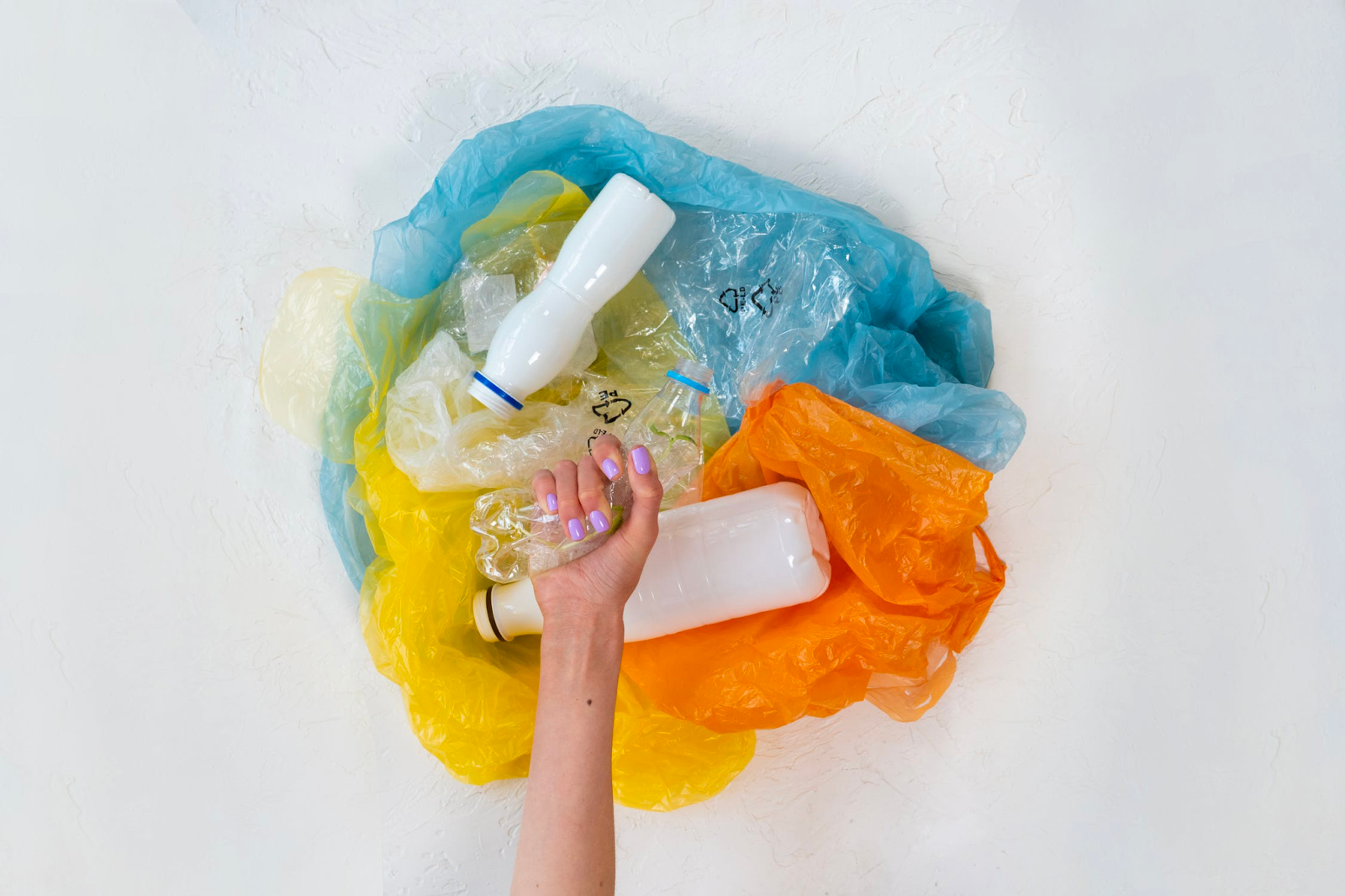
Personally, I dislike the term “waste”, as it is implying the linear economy mindset, that a pack is “useless” after it has been used. I prefer to consider the “waste” of the past the raw material of the future. In the past we digged material out, made something useful out of it, sold it, used it and put it in the trash bin to be incinerated or to end up in landfill, in the ocean. by Henning Weigand


As we move towards a circular economy with reusing packs and products and recycling the associated materials, we need to be mindful of the Health and Safety, as well as of the Worker Welfare and Human Rights side: Treating “waste” often involves dealing with contamination – for example a used pack which contained Chemicals, including many household products. By Henning Weigand
Reduce often is misunderstood as making a pack as light and thin as possible. This is only of advantage in a linear economy, if the pack will end up as waste. Reducing the pack weight usually creates a “use-and-throw” type of pack. The pack is much harder to be reused – we all know that from a thin plastic bag, which might be lighter and cheaper for the supermarket, yet it leads to the consumer throwing it away after single-use, as it breaks easy.
The same with a one-way coffee cup: Depending on how rigid it is, it can be reused once or if it is made of solid material, it can be re-used multiple times. And with each re-use the end-to-end Carbon footprint and the amount of waste generated drops. So – if we intent to re-use a pack, the initial pack must be solid and rigid to maintain its properties through multiple cycles of re-usage. Once these cycles lead to a deterioration below a certain level, it is time to recycle. Circularity is a key principle of nature. Ashes to ashes – dust to dust – everything returns to where it came from…
Article by Henning Weigand
As we move towards a circular economy with reusing packs and products and recycling the associated materials, we need to be mindful of the Health and Safety, as well as of the Worker Welfare and Human Rights side: Treating “waste” often involves dealing with contamination – for example a used pack which contained Chemicals, including many household products.
A key aspect to closely monitor through the process is, how the cleaning and treatment of the pack is done by those who are involved in the circular process. Robotics can help here. But in some parts of the world, human labor is used rather than robots. As much as we want our environment to be clean and plastic waste to disappear from our oceans and landfills: It is absolutely crucial to ensure in any circular model, that all minimum standards with regards to Health and Safety of those performing the collection, sorting, recycling activities are ensured. Depending on which part of the planet this is performed, unfortunately this cannot be taken for granted and therefore requires close monitoring.
Article by Henning Weigand