Monday, February 5, 2024

Uncover the Complexity of Ocean Plastic Pollution-Henning Weigand


Explore the intricate landscape of ocean plastic pollution through a comprehensive examination that delves into insightful perspectives, rich data sets, and crucial key statistics. This in-depth exploration illuminates the multifaceted aspects of the pervasive issue, providing a thorough understanding of the challenges posed by plastic pollution in our oceans. By presenting a holistic view, this analysis aims to foster awareness and highlight the significance of addressing this environmental crisis. From nuanced insights to empirical data and pivotal statistics, this study offers a holistic perspective on the complex interplay between human activities and the escalating concerns surrounding plastic pollution in our precious marine ecosystems. By Henning Weigand

#biography #hamburg #Procurement #Sustainability #Packaging #Leadership #Management #Henningweigand


Thursday, January 25, 2024

Plastic Pollution – Insights, Data, and Key Statistics-Henning Weigand


Explore the intricate landscape of ocean plastic pollution through a comprehensive examination that delves into insightful perspectives, rich data sets, and crucial key statistics. This in-depth exploration illuminates the multifaceted aspects of the pervasive issue, providing a thorough understanding of the challenges posed by plastic pollution in our oceans. By presenting a holistic view, this analysis aims to foster awareness and highlight the significance of addressing this environmental crisis. From nuanced insights to empirical data and pivotal statistics, this study offers a holistic perspective on the complex interplay between human activities and the escalating concerns surrounding plastic pollution in our precious marine ecosystems. By Henning Weigand

#biography #hamburg #Procurement #Sustainability #Packaging #Leadership #Management #Henningweigand

Tuesday, January 23, 2024

A Comprehensive Look at Ocean Plastic Pollution – Insights, Data, and Key Statistics-Henning Weigand


Introduction: In this article, we will delve into the pressing issue of ocean plastic pollution, offering a thorough examination of the crisis through the lens of data and statistics. Join us as we unravel the magnitude of this environmental challenge and explore the numbers that underscore the urgency of addressing plastic pollution in our oceans.


The Scale of the Problem

Discover the vast extent of ocean plastic pollution and its far-reaching consequences. We'll provide a detailed analysis of the current state of affairs, shedding light on the enormity of the issue and the various ways plastic waste infiltrates our oceans.


Key Data Points

Explore crucial data points that highlight the severity of the problem. From the quantity of plastic waste generated annually to the alarming rate at which it enters our oceans, we'll present key statistics that underscore the need for immediate action in tackling this environmental crisis.


Impact on Marine Life

Delve into the impact of plastic pollution on marine ecosystems and wildlife. Through the lens of data, we'll examine how plastic waste disrupts marine habitats, endangers species, and jeopardizes the delicate balance of our oceans.


Global Initiatives and Progress

Get an overview of global initiatives and efforts to curb ocean plastic pollution. We'll explore the progress made by organizations, governments, and communities in tackling this issue, emphasizing the importance of collaborative action in creating a sustainable future.


Conclusion:

As we conclude our exploration, the data and statistics presented will underscore the critical nature of the ocean plastic pollution crisis. By understanding the scope of the problem and acknowledging the urgency it demands, we can collectively work towards effective solutions that safeguard our oceans and the lives they sustain. Join us on this insightful journey into the heart of the issue, and let's pave the way for a cleaner, healthier planet. By Henning Weigand


#biography #hamburg #Procurement #Sustainability #Packaging #Leadership #Management #Henningweigand

Friday, January 19, 2024

Threats to Oceans, Wildlife, and Human Health, and the Urgent Call for Global Initiatives-Henning Weigand


Plastic pollution refers to the environmental harm caused by the accumulation of plastic waste in ecosystems, particularly oceans and waterways. From improper disposal and inefficient recycling, it severely threatens marine life, wildlife, and human health. The persistent nature of plastic compounds exacerbates long-term ecological consequences, highlighting the urgent need for global initiatives to mitigate its impact. By Henning Weigand

#biography #hamburg #Procurement #Sustainability #Packaging #Leadership #Management #Henningweigand


Tuesday, January 16, 2024

The Devastating Impact of Plastic Pollution in Oceans and on Land-Henning Weigand


Plastic pollution has emerged as a global environmental crisis, wreaking havoc on both marine ecosystems and terrestrial landscapes. Discarded plastics, from single-use bottles to microplastics, contaminate oceans, posing a grave threat to marine life and disrupting entire ecosystems. The indiscriminate disposal of plastics on land further exacerbates the problem, as these non-biodegradable materials persist for centuries, leaching toxins and causing irreparable damage to soil and wildlife. The urgent need for sustainable solutions and global cooperation is paramount to mitigate the far-reaching consequences of this environmental menace and safeguard the health of our planet for future generations. By Henning Weigand

Sunday, January 14, 2024

The Devastating Impact of Plastic Pollution in Oceans and on Land-Henning Weigand


Introduction

Plastic pollution poses a grave threat to our planet, with its far-reaching consequences affecting both oceans and terrestrial ecosystems. In this blog, we delve into the alarming issues surrounding plastic pollution, examining its impact on marine life, ecosystems, and the environment.

Understanding the Scale of the Problem

Plastic pollution has reached epidemic proportions, with an estimated 8 million metric tons of plastic entering our oceans annually. This colossal volume wreaks havoc on marine habitats, leading to the endangerment of countless species and disrupting delicate ecosystems.

The Choking Consequence on Marine Life

Marine creatures often mistake plastic debris for food, leading to ingestion and entanglement. The harmful chemicals within plastics can also contaminate the food chain, threatening the health of species at various levels. This cycle of harm extends from tiny plankton to majestic marine mammals.

The Ripple Effect on Terrestrial Ecosystems

Plastic pollution doesn't spare our lands either. Improper disposal and inadequate recycling contribute to plastic waste accumulating on land, affecting soil health and the overall balance of terrestrial ecosystems. The consequences extend beyond visible pollution, impacting plant life, animals, and human communities.

The Urgent Need for Solutions

Addressing plastic pollution requires a multi-faceted approach, encompassing awareness, reduction, and sustainable alternatives. Initiatives promoting responsible plastic use, recycling programs, and innovative solutions for waste management are crucial in mitigating the environmental crisis.

Conclusion

Plastic pollution's widespread impact on oceans and land demands urgent attention and collective action. By raising awareness and embracing sustainable practices, we can work towards a cleaner, healthier planet for current and future generations. Join the movement against plastic pollution, and let's strive for a more sustainable and environmentally conscious world. By Henning Weigand

Friday, January 5, 2024

Reducing plastic pollution involves a combination of individual actions-Henning Weigand


Reducing plastic pollution involves a combination of individual actions, policy changes, and technological advancements. Here are several ways to address this issue:


1. **Reduce Single-Use Plastics:** Opt for reusable bags, bottles, and containers. Avoid single-use plastics like straws, cutlery, and plastic bags whenever possible.


2. **Recycle Properly:** Ensure proper disposal of plastics by recycling. Familiarize yourself with what can and cannot be recycled in your area.


3. **Support Bans and Policies:** Advocate for or support legislation that bans or reduces the use of single-use plastics. Encourage businesses and governments to adopt environmentally friendly alternatives.


4. **Clean-Up Efforts:** Participate in or organize clean-up events in your community. Removing existing plastic waste from natural environments helps prevent further pollution.


5. **Promote Education and Awareness:** Educate others about the impact of plastic pollution. Encourage friends, family, and community members to make more environmentally conscious choices.


6. **Innovation and Alternatives:** Support the development and use of alternative materials to plastic. Biodegradable plastics, plant-based alternatives, and innovative packaging solutions can significantly reduce plastic pollution.


7. **Consumer Choices:** Choose products with minimal or eco-friendly packaging. Support companies that prioritize sustainability and use recyclable or biodegradable materials.


8. **Waste Management Infrastructure:** Invest in improved waste management systems that can effectively handle and recycle plastics.


Remember, addressing plastic pollution requires a collective effort. Small changes in our daily habits, combined with larger-scale initiatives and policy changes, can make a substantial impact on reducing plastic pollution. By Henning Weigand


#biography #hamburg #Procurement #Sustainability #Packaging #Leadership #Management #Henningweigand


Monday, January 1, 2024

Plastic pollution, an escalating environmental crisis, stems from the extensive use and improper disposal of plastic products- Henning Weigand


Plastic pollution, an escalating environmental crisis, stems from the extensive use and improper disposal of plastic products. These non-biodegradable materials inundate landfills, contaminate waterways, and harm wildlife. Microplastics, small particles from degraded plastics, infiltrate ecosystems, threatening marine life and potentially entering the food chain. The pervasive nature of plastic pollution demands global action to mitigate its adverse effects and promote sustainable alternatives to preserve our planet's health. By Henning Weigand

#biography #hamburg #Procurement #Sustainability #Packaging #Leadership #Management #Henningweigand


Monday, December 18, 2023

Plastic additive pollution-Henning Weigand


Plastic additive pollution refers to the environmental impact caused by releasing harmful chemicals and substances added to plastics during manufacturing. These additives, like plasticizers or flame retardants, can leach out, contaminating ecosystems, posing risks to wildlife, and potentially entering the food chain, impacting human health and the environment. By Henning Weigand

Thursday, September 28, 2023

"The Plague of Plastic in Our Oceans"


Introduction: Plastic pollution has become a global crisis that is wreaking havoc on our oceans and marine ecosystems. In this blog post, we'll delve into the alarming impact of plastic in the ocean, shedding light on the dire consequences of this environmental plague.

The Menace Beneath the Waves: Beneath the serene and seemingly endless expanse of our oceans lies a silent menace – plastic waste. Every day, an astonishing equivalent of 2,000 garbage trucks brimming with plastic finds its way into these vast waters. This relentless influx of plastic has dire repercussions for marine life, habitats, and ultimately, our own well-being.

A Grave Threat to Marine Life: Our oceans, once teeming with diverse and vibrant marine life, are now under siege. Plastic waste poses a grave threat to marine creatures, as they ingest or become entangled in this debris. Sea turtles mistake plastic bags for jellyfish, and seabirds unwittingly feed on floating plastic particles, leading to fatal consequences. These heart-wrenching stories underscore the urgency of addressing the plastic crisis in our oceans.

Toxic Soup: Plastic doesn't just harm marine life through physical entanglement or ingestion; it also contaminates the very water in which it floats. Over time, plastic breaks down into microplastics, releasing harmful chemicals into the water. These toxic particles are then ingested by small organisms at the base of the marine food chain, with potential consequences that ripple up to affect human health.

A Global Responsibility: The plastic epidemic in our oceans is a problem that transcends borders. It's a shared responsibility that calls for international cooperation and immediate action. While individual efforts to reduce plastic use are commendable, it's crucial that governments, industries, and communities work together to implement large-scale solutions.

Conclusion: The presence of plastic in our oceans is not just an environmental concern; it's a reflection of our collective impact on the planet. As we navigate the challenges of plastic pollution, it's imperative that we take meaningful steps to reduce our plastic footprint and advocate for policies that promote sustainable alternatives. The future of our oceans and the life they support depends on our commitment to addressing this pressing issue. By Henning Weigand 


Sunday, September 17, 2023

Henning Weigand-The Break Free From Plastic Pollution Act


Plastic pollution is a growing threat on par with climate change and an ecological, social, and human health crisis. With the world recognizing the need to move away from fossil fuels, the fossil fuel industry has turned its attention to plastics to make up for dwindling demand, as over 99% of plastics are made from fossil fuels. The petrochemical industry has invested over $190 billion since 2010 to build or expand over 330 new petrochemical facilities, which would put 40% more plastic in commerce by 2027. If current trends continue, plastics will account for 20% of oil consumption by 2050. By Henning Weigand

Friday, September 15, 2023

Henning Weigand-What is the current issue with plastic pollution


Every day, the equivalent of 2,000 garbage trucks full of plastic are dumped into the world's oceans, rivers, and lakes. Plastic pollution is a global problem. Every year 19-23 million tones of plastic waste leaks into aquatic ecosystems, polluting lakes, rivers and seas. By Henning Weigand

Friday, September 8, 2023

The problem of plastic pollution-Henning Weigand


Plastic is a polymeric material—that is, a material whose molecules are very large, often resembling long chains made up of a seemingly endless series of interconnected links. Natural polymers such as rubber and silk exist in abundance, but nature’s “plastics” have not been implicated in environmental pollution, because they do not persist in the environment. Petroleum nonbiodegradable, environments, landfills, recycling, incinerators etc.  By Henning Weigand

#HealthyLiving #makeaDifference #saveThePlanet #CircularEconomy #RespectNature #Management #Henningweigand    

Tuesday, September 5, 2023

The “We sing, we dance” kind of moment | Henning Weigand

Have you experienced such a moment as I did yesterday? Somehow somewhere you hear a song that you have not heard since many many years. It reminds you of a feeling, of a moment and circumstance long back. It makes you smile, it gets you excited, it makes you melancholic or it even makes you dance, depending on the moment in time which you associate with this song.

This happened to me last night, and it was one of those déjà vu kinds of moments that I want to capture, to make myself more aware of without simply passing by unnoticed. I believe we all have these moments, way too long, way too often I let them pass unappreciated. Now I am trying to live more consciously, cherishing the memories despite a busy day, and trying to experience such small moments in full conscience. Somehow what I am writing here reminds me of another song, one by Jason Mraz.  And that song brings up a memory of a road trip I once did by myself driving on the East side of Maui along the Hana Coastline, listening to the album “We sing, we dance….” That was amazing!

by Henning Weigand

Monday, August 28, 2023

Plastic pollution per day-Henning Weigand


Every day around 8 million pieces of plastic makes their way into our oceans. The Great Pacific Garbage Patch is around 1.6 million square kilometers – bigger than Texas. The world produces 381 million tonnes of plastic waste yearly – this is set to double by 2034. By Henning Weigand  

#HealthyLiving #makeaDifference #saveThePlanet #CircularEconomy #RespectNature #Management #Henningweigand


Sunday, August 13, 2023

Henning Weigand-Every day plastic are dumped into the world's oceans, rivers, and lakes


Every day, the equivalent of 2,000 garbage trucks full of plastic are dumped into the world's oceans, rivers, and lakes. Plastic pollution is a global problem. Every year 19-23 million tonnes of plastic waste leaks into aquatic ecosystems, polluting lakes, rivers and seas. Plastic pollution can alter habitats and natural processes, reducing ecosystems’ ability to adapt to climate change, directly affecting millions of people’s livelihoods, food production capabilities and social well-being. By Henning Weigand

#HealthyLiving #makeadifference #savetheplanet #CircularEconomy #RespectNature #Management #Henningweigand 

Sunday, August 6, 2023

Henning Weigand-Plastic pollution


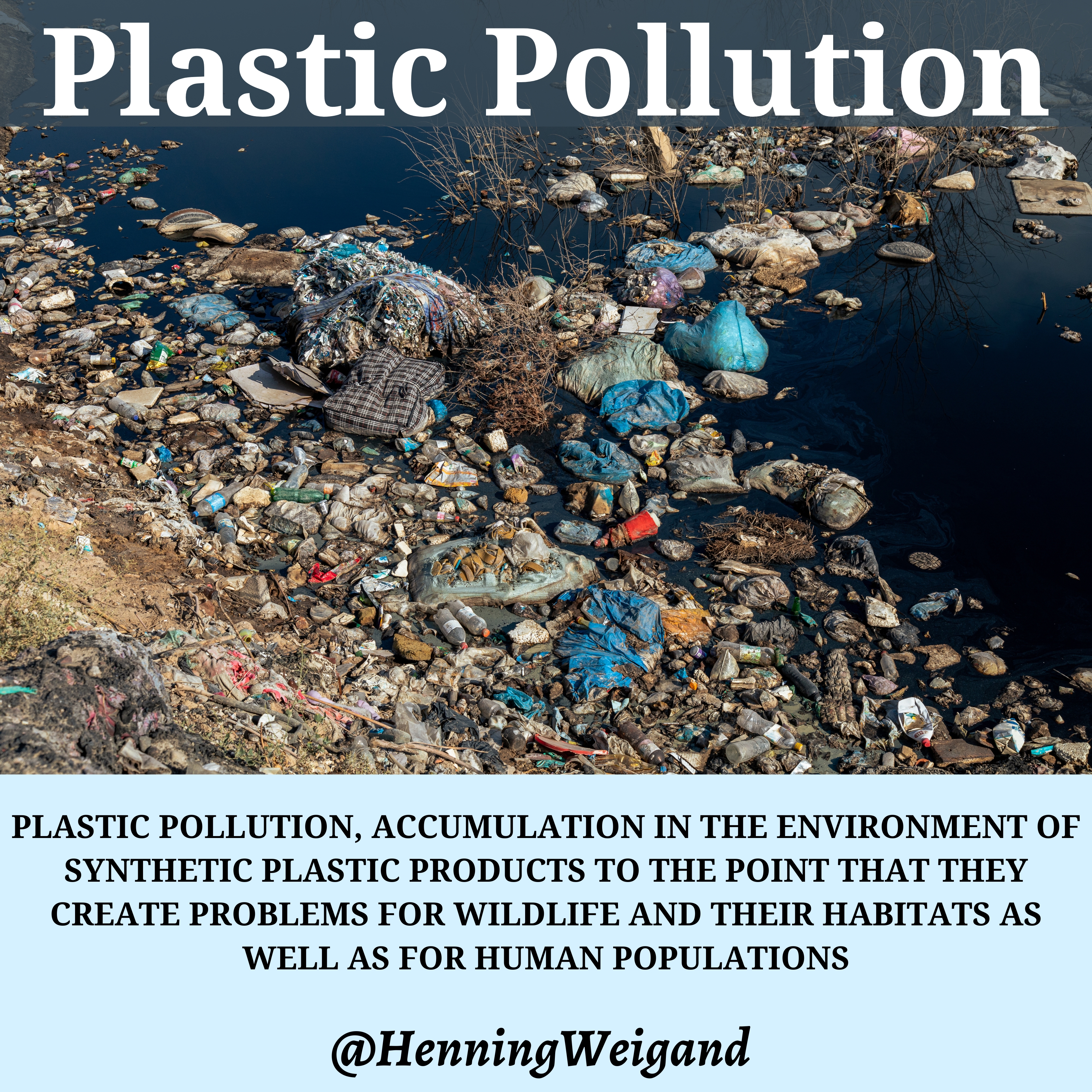
Plastic pollution, accumulation in the environment of synthetic plastic products to the point that they create problems for wildlife and their habitats as well as for human populations. In 1907 the invention of Bakelite brought about a revolution in materials by introducing truly synthetic plastic resins into world commerce. By the end of the 20th century, plastics had been found to be persistent polluters of many environmental niches, from Mount Everest to the bottom of the sea. Whether being mistaken for food by animals, flooding low-lying areas by clogging drainage systems, or simply causing significant aesthetic blight, plastics have attracted increasing attention as a large-scale pollutant. By Henning Weigand

#HealthyLiving #makeadifference #savetheplanet #CircularEconomy #RespectNature #Management #Henningweigand   

Tuesday, June 27, 2023

Henning Weigand-Plastic pollution is a huge problem and it’s not too late to fix it .


The global campaign to gain control of plastic waste is one of the fastest-growing environmental causes ever mounted. Yet it hasn’t been enough to make a dent in the growing tonnage of discarded plastic that ends up in the seas. In the next 10 years, the waste that slides into waterways, and ultimately the oceans, will reach 22 million tons and possibly as much as 58 million tons a year. And that’s the “good” news—because that estimate takes into account thousands of ambitious commitments by the government and industry to reduce plastic pollution. Without those pledges, a business-as-usual scenario would be almost twice as bad. With no improvements to managing waste beyond what’s already in place today, 99 million tons of. By Henning Weigand

#HealthyLiving #makeadifference #savetheplanet #CircularEconomy #RespectNature #Management #Henningweigand    

Wednesday, June 14, 2023

Henning Weigand-Plastic pollution in oceans and on land


Since the ocean is downstream from nearly every terrestrial location, it is the receiving body for much of the plastic waste generated on land. Several million tons of debris end up in the world’s oceans every year, and much of it is improperly discarded plastic litter. The first oceanographic study to examine the amount of near-surface plastic debris in the world’s oceans was published in 2014. It estimated that at least 5.25 trillion individual plastic particles weighing roughly 244,000 metric tons (269,000 short tons) were floating on or near the surface. A 2021 study determined that 44 percent of plastic debris in rivers and oceans, and on shorelines, was made up of bags, bottles, and items related to takeout meals. Plastic pollution was first noticed in the ocean by scientists carrying out plankton studies in the late 1960s and early 1970s, and oceans and beaches still receive most of the attention of those studying and working to abate plastic pollution. Floating plastic waste has been shown to accumulate in five subtropical gyres that cover 40 percent of the world’s oceans. Located at Earth’s midlatitudes, these gyres include the North and South Pacific Subtropical Gyres, whose eastern “garbage patches” (zones with high concentrations of plastic waste circulating near the ocean surface) have garnered the attention of scientists and the media. The other gyres are the North and South Atlantic Subtropical Gyres and the Indian Ocean Subtropical Gyre. By Henning Weigand
#HealthyLiving #makeadifference #savetheplanet #CircularEconomy #RespectNature #Management #Henningweigand